
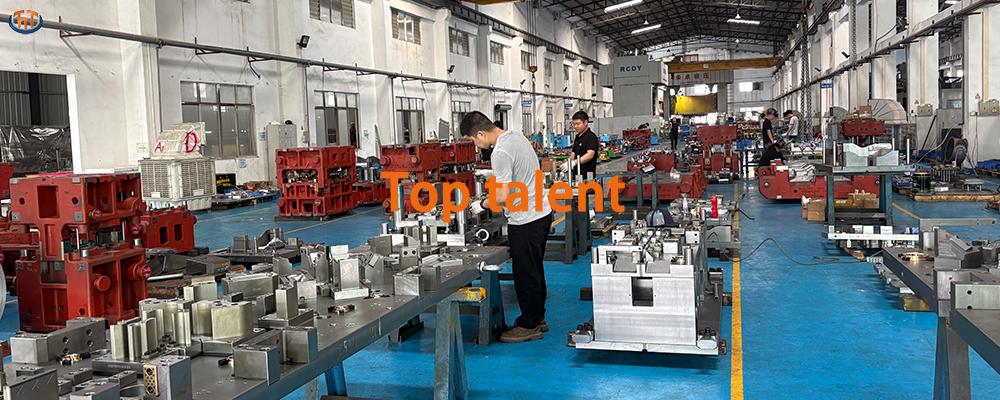
Assembling a metal stamping die correctly is critical for producing consistent, high‑quality stamped parts. Whether you’re a toolmaker or a shop floor technician, following a systematic assembly process reduces wear, prevents costly crashes, and extends die life.
1. Gather Your Tools and Clean All Components
Before starting, collect essential tools: brass hammers, parallels, torque wrenches, feeler gauges, and layout dye. Clean every die component – punches, dies, strippers, and guide posts – using degreaser and lint‑free rags. Contamination is a leading cause of premature failure; even tiny metal chips can mar precision surfaces.
2. Inspect for Wear or Damage
Examine each part under good lighting. Look for cracks, burrs, or edge rounding on punches and die inserts. Replace any damaged component before assembly. Check guide pins and bushings for smooth motion – they must glide without binding.
3. Assemble the Die Shoe and Guide System
Place the lower die shoe on a clean, flat bench. Install guide posts (pillars) and bushings, ensuring they are perpendicular. Lightly lubricate with die‑specific oil. Slide the upper shoe onto the guides; it should move freely with zero lateral play. Proper alignment here prevents crooked stamping and uneven wear.
4. Mount the Die Section (Lower Half)
Secure the die block to the lower shoe using shoulder bolts or cap screws. Tighten progressively in a cross pattern to avoid warping. Insert stripper plates and springs if they mount from below. Use feeler gauges to verify the die surface is parallel to the shoe within 0.0005” per inch.
5. Install the Punch Section (Upper Half)
Attach the punch holder to the upper shoe. Mount punches, pilots, and any spring‑loaded strippers. Critical step: Check punch‑to‑die clearance. Slide a strip of shim stock (the same thickness as your material) between a punch and die. You should feel slight drag – no binding or excessive looseness. Adjust by shifting the punch holder or regrinding as needed.
6. Set Shut Height and Spring Pressure
With the die closed (using a soft spacer to avoid metal‑to‑metal contact), measure the overall height. Adjust the press ram or add/remove shims under the die shoe to achieve the specified shut height. Verify that all springs (gas, coil, urethane) compress only 15‑25% of their free length at full stroke – too much compression causes breakage.
7. Perform a Dry Run and Test Stroke
Manually cycle the die (or use the press’s inch mode) without material. Listen for clicks or scraping. Then run a few strips of your actual metal. Check the first stamped parts for burrs, curling, or incomplete cuts. Re‑check bolt torques after the test run.
Post time: Apr-17-2026

.png)
.png)