
Single Operation Die vs Progressive Die vs Compound Die: Key Differences and Applications
In the metal stamping and automotive manufacturing industry, Single Operation Dies, Progressive Dies, and Compound Dies are three major types of stamping dies (press tools) widely used for producing sheet metal components.
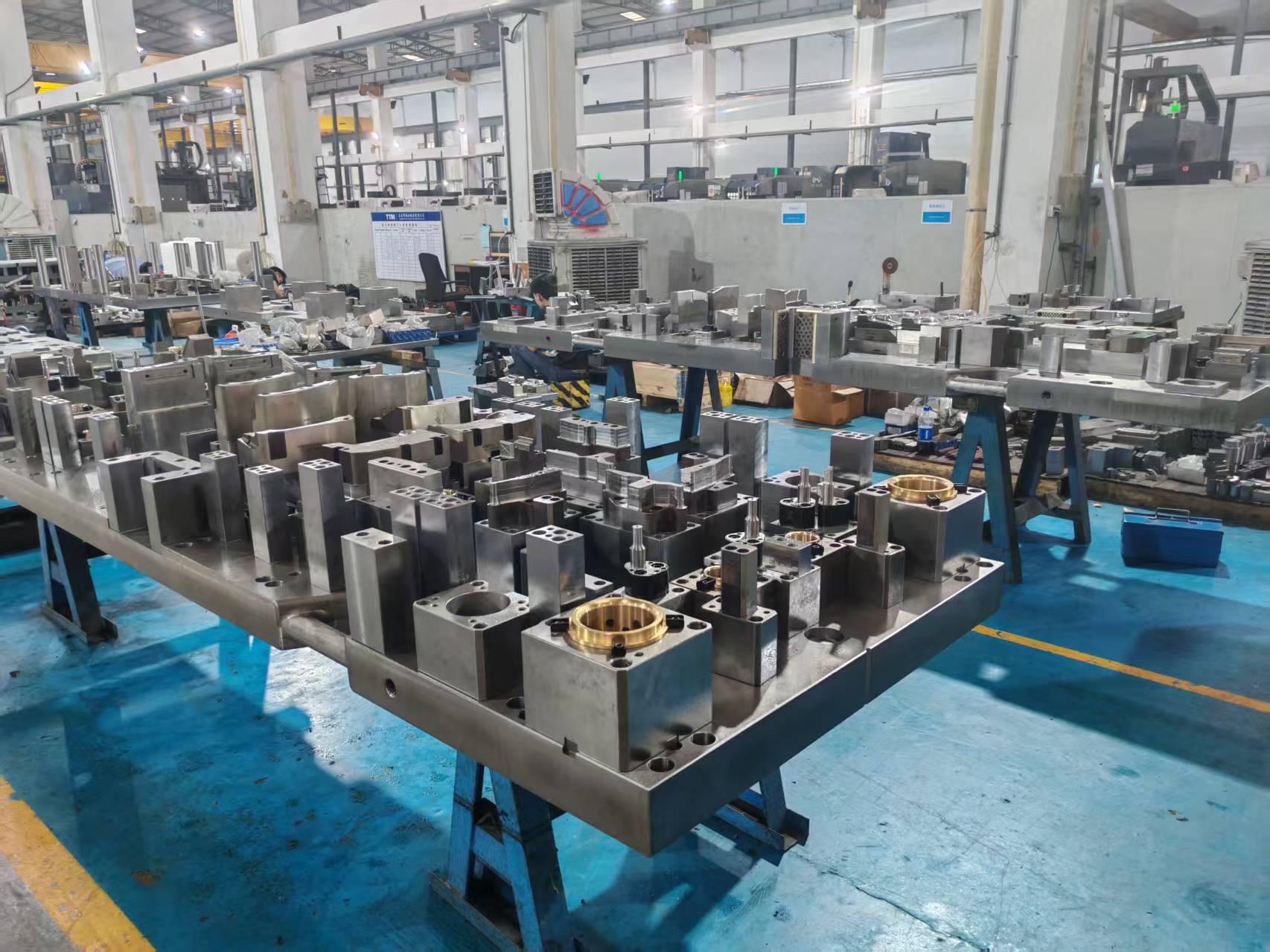
The main differences between these stamping tools are:
- How stamping operations are arranged
- Part transfer method
- Production efficiency
- Die structure complexity
- Application requirements
Simply explained:
- Single Operation Die: One stamping operation per press cycle
- Progressive Die: Multiple stamping operations performed continuously through multiple stations
- Compound Die: Multiple operations completed simultaneously in one stamping stroke
1. Single Operation Die (Single Process Stamping Die)
Definition
A Single Operation Die is a stamping tool designed to complete only one major forming process during each press cycle.
Typical processes include:
- Piercing
- Blanking
- Bending
- Deep Drawing
- Forming
After one operation is completed, the part usually needs to move to another die for the next manufacturing process.
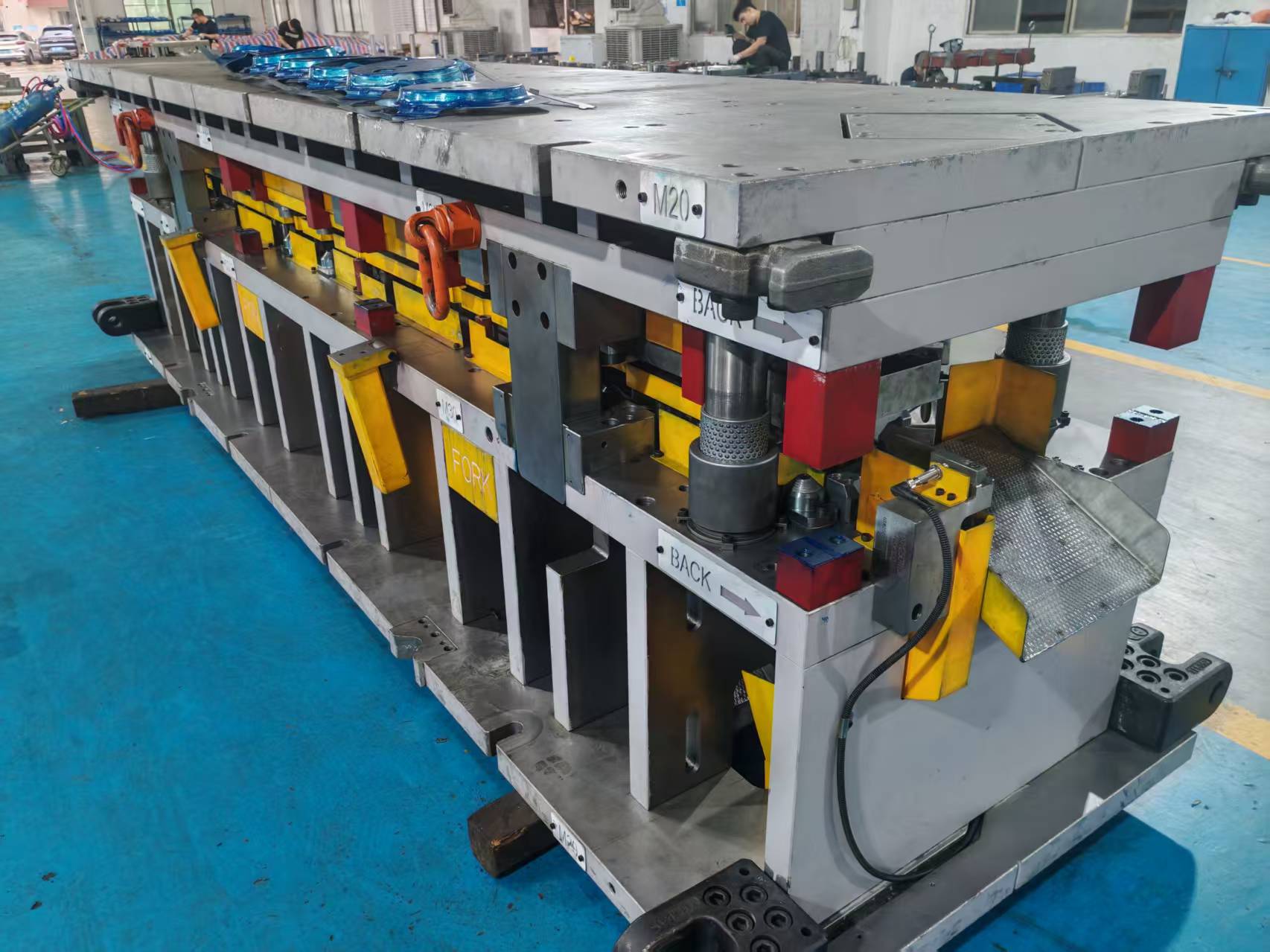
Working Process
Typical production flow:
Material Feeding → Stamping Operation 1 → Die Change → Stamping Operation 2 → Final Part
Example:
Automotive sheet metal component production:
- Piercing operation
- Bending operation
- Flanging operation
Advantages
✔ Simple die structure
✔ Lower tooling cost
✔ Easy maintenance and repair
✔ Suitable for prototype development
✔ Flexible for low-volume production
Disadvantages
✘ Lower production efficiency
✘ Requires multiple stamping dies
✘ More manual handling
✘ Higher labor involvement
Applications
Common applications:
- Automotive prototype parts
- Large sheet metal components
- Custom fabricated parts
- Low-volume production components
Industry Keywords:
Single Operation Stamping Die / Single Process Die / Custom Stamping Tool
2. Progressive Die (Progressive Stamping Die)
Definition
A Progressive Die, also known as a Continuous Stamping Die, is a multi-station stamping tool that performs several operations within a single die set.
The metal strip moves continuously through different stations using an automatic feeding system, and each station performs a specific operation.
Working Process
Production sequence:
Station 1 → Station 2 → Station 3 → Station 4

Piercing → Cutting → Forming → Separation

Final Component Output
Each press stroke advances the material by a fixed distance called the feed pitch.
Advantages
✔ Extremely high production efficiency
✔ High automation capability
✔ Suitable for mass production
✔ Excellent part consistency
✔ Reduced labor cost
Disadvantages
✘ Higher tooling investment
✘ Complex die design
✘ Longer development and tryout period
✘ Requires precise strip feeding control
Applications
Progressive dies are widely used for:
- Automotive brackets
- Clips and fasteners
- Motor laminations
- Electrical connectors
- Precision stamped components
Industry Keywords:
Progressive Die / Progressive Stamping Tool / Continuous Stamping Die / High-Speed Stamping Die
3. Compound Die (Compound Stamping Die)
Definition
A Compound Die performs two or more stamping operations simultaneously during a single press stroke at the same workstation.
For example:
One stamping stroke can complete:
- Piercing
- Blanking
at the same time.
Working Process
Single press stroke:
Upper Die Movement

↓

Piercing + Blanking Completed Simultaneously

↓

Finished Component Produced
Advantages
✔ High dimensional accuracy
✔ Good production efficiency
✔ Excellent part positioning accuracy
✔ Reduced number of manufacturing steps
Disadvantages
✘ More difficult die manufacturing
✘ Higher maintenance complexity
✘ Not suitable for complex forming geometries
Applications
Common applications:
- Precision washers
- Motor components
- Electronic terminals
- Flat metal components
- Precision stamping parts
Industry Keywords:
Compound Die / Precision Stamping Die / Combination Stamping Tool
4. Comparison: Single Die vs Progressive Die vs Compound Die
| Comparison | Single Operation Die | Progressive Die | Compound Die |
|---|---|---|---|
| Manufacturing Method | One operation per stroke | Multiple continuous operations | Multiple operations in one stroke |
| Automation Level | Low | High | Medium to High |
| Production Speed | Low | Highest | High |
| Tooling Cost | Low | Highest | Medium to High |
| Die Complexity | Simple | Very Complex | Complex |
| Accuracy | Medium | High | Very High |
| Production Volume | Low Volume | Mass Production | Medium to High Volume |
| Typical Applications | Large/custom parts | Small precision parts | High-accuracy flat parts |
5. How Automotive Manufacturers Select the Right Stamping Die
Automotive Large Body Panels
Examples:
- Door outer panels
- Hood panels
- Roof panels
- Side body panels
Common solution:
Single Operation Dies + Multi-Stage Press Forming
Reasons:
- Large component size
- Complex forming requirements
- Multiple drawing and forming operations required
Automotive Small Structural Components
Examples:
- Brackets
- Clips
- Reinforcement plates
- Mounting components
Recommended solution:
Progressive Stamping Dies
Advantages:
- High production volume
- Automatic strip feeding
- Lower unit production cost
Precision Small Stamped Components
Examples:
- Motor laminations
- Connector terminals
- Metal washers
Recommended solution:
Compound Dies
Advantages:
- High dimensional accuracy
- One-step production
- Excellent repeatability
6. How to Choose the Right Stamping Die?
Key selection factors:
1. Part Size
- Large components → Single Operation Die
- Small components → Progressive Die / Compound Die
2. Annual Production Volume
| Production Volume | Recommended Die Type |
|---|---|
| Low Volume | Single Operation Die |
| Medium Volume | Compound Die |
| High Volume | Progressive Die |
3. Part Complexity
- Complex multi-stage forming → Single operation stamping process
- Continuous small operations → Progressive Die
- Multiple operations at one station → Compound Die
Conclusion
Each stamping die type has its own advantages depending on part requirements, production volume, dimensional accuracy, and manufacturing cost.
- Single Operation Die: Flexible and cost-effective for large or low-volume components
- Progressive Die: Highly efficient and automated for high-volume mass production
- Compound Die: High precision and efficient for small complex stamping components
In the automotive industry:
- Large body panels → Single Operation Stamping Dies
- High-volume small components → Progressive Dies
- Precision metal parts → Compound Dies
Choosing the correct stamping die design and tooling solution is essential for achieving stable production, consistent quality, and cost-effective manufacturing.
Post time: Jul-13-2026

.png)
.png)