
Introduction
As automotive manufacturers expand production capacity and optimize their global manufacturing networks, transferring production equipment and tooling between manufacturing plants has become an important engineering challenge.
An automotive tooling transfer is more than moving equipment from one factory to another. It involves engineering documentation, equipment condition assessment, installation planning, process verification, dimensional inspection and production validation.
Even when the same tooling is used, differences in production equipment, factory layouts, operating conditions and process parameters can affect manufacturing performance after relocation.
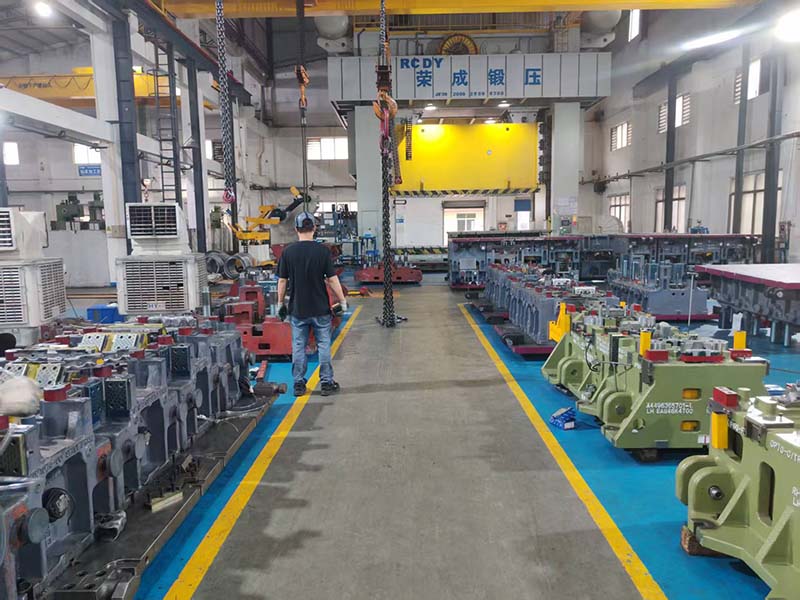
For automotive OEMs and Tier 1 suppliers, successful Automotive Tooling Transfer requires a systematic approach that maintains product quality, production consistency and equipment reliability throughout the transition.
TTM GROUP provides automotive manufacturing solutions covering stamping dies, inspection fixtures, welding fixtures, CNC machining and customized automation equipment, supporting customers throughout different stages of automotive tooling and production development.
1. Why Automotive Tooling Transfer Requires Engineering Planning
Automotive production tooling is usually designed around specific manufacturing conditions.
These conditions may include:
- Press capacity and operating parameters
- Production line layout and equipment interfaces
- Robot working range and accessibility
- Part locating and clamping requirements
- Electrical and pneumatic connections
- Production cycle time and material flow
- Inspection and quality acceptance requirements
When tooling is transferred to another manufacturing facility, some of these conditions may change.
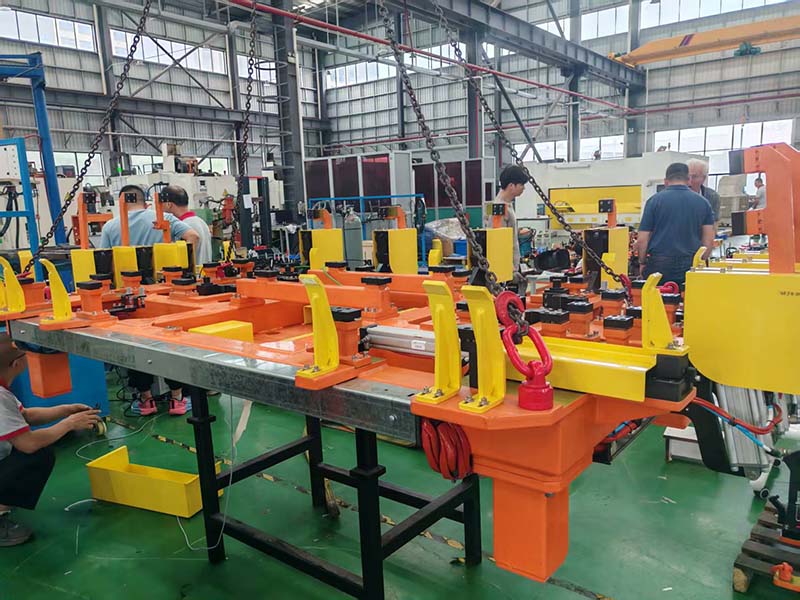
For example, a stamping die originally designed for one press line may require additional interface checks before installation on another press. Similarly, a robotic welding fixture may need to be evaluated against the new robot layout, safety system and welding station configuration.
Without proper engineering preparation, these differences can result in installation delays, equipment interference, dimensional variation or reduced production efficiency.
A structured tooling transfer plan helps identify potential problems before the equipment reaches the new facility.
2. Engineering Documentation and Equipment Assessment
The first step in an automotive tooling transfer project is to establish an accurate technical baseline.
Before dismantling or relocating equipment, engineering teams should review the existing tooling documentation and confirm the actual equipment condition.
Important documentation includes:
- Approved tooling drawings and 3D CAD data
- Equipment interface specifications
- Electrical and pneumatic diagrams
- Tooling maintenance records
- Inspection reports and dimensional data
- Production trial records
- Spare parts and replacement component lists
Equipment condition assessment is equally important.
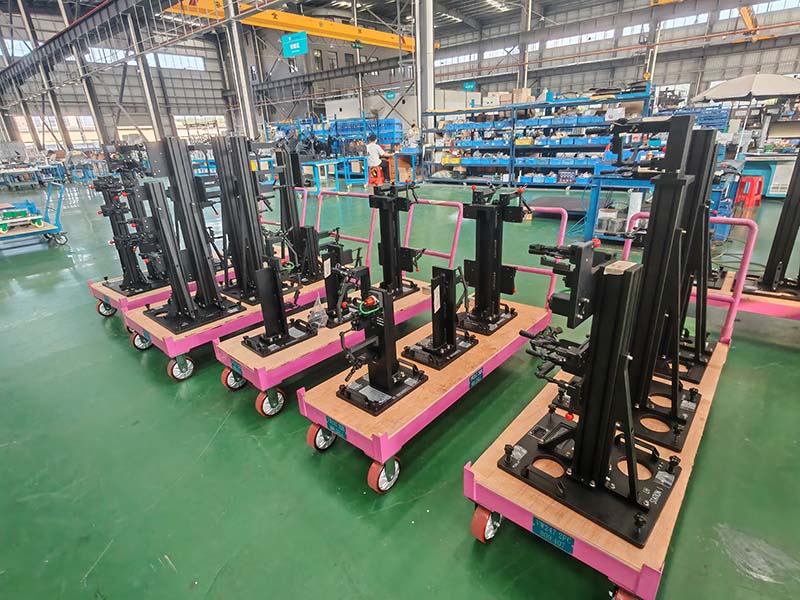
Wear on locating components, clamping mechanisms, guide systems and moving elements should be evaluated before transportation. Any existing problems should be recorded and addressed according to the transfer plan.
This step helps distinguish between issues that existed before relocation and problems introduced during transportation or reinstallation.
3. Maintaining Tooling Interfaces and Installation Accuracy
One of the most important challenges in tooling relocation is maintaining compatibility with the new production environment.
For stamping dies, engineers should verify press specifications, bolster dimensions, shut height, lifting arrangements and material feeding conditions.
For welding fixtures, attention should be given to locating points, clamping positions, robot accessibility, welding gun clearance and workstation interfaces.
Inspection fixtures also require careful verification. Their reference points, datum structures and measurement conditions must remain consistent with the approved inspection requirements.
TTM GROUP provides different types of automotive manufacturing equipment, including:
- Automotive Stamping Dies and Stamping Tools
- Automotive Welding Cells and Fixtures
- Automotive Checking Fixtures
- CNC Machining Products
- Customized OEM Equipment
Verifying these interfaces before installation helps reduce unexpected engineering modifications and commissioning time.
4. Reinstallation and Process Setup at the New Plant
After transportation, tooling must be installed according to the technical requirements of the receiving production facility.
The installation process should include several important activities.
Mechanical installation
Check mounting surfaces, locating interfaces, fastening conditions, alignment and equipment stability.
Utility connection
Verify electrical power, pneumatic supply, hydraulic connections, communication interfaces and safety circuits where applicable.
Equipment configuration
Confirm press settings, robot programs, sensor positions, control parameters and production sequences against the approved technical documentation.
Safety verification
Inspect protective devices, interlocks, emergency stops, operating zones and maintenance access.
A controlled installation process ensures that transferred tooling is correctly integrated into the receiving production environment.
5. Dimensional Inspection and Process Validation
Successful installation does not automatically mean that transferred tooling is ready for mass production.
Engineering teams must verify that the equipment can consistently produce parts meeting the required specifications.
For stamping operations, validation may include checking critical dimensions, forming conditions, material flow, surface quality and repeatability.
For welding applications, the evaluation may cover component positioning, weld location, assembly dimensions, weld quality and robot cycle performance.
For inspection systems, measurement results should be compared with approved reference data under defined inspection conditions.
Where appropriate, measurement system analysis and statistical process control can help evaluate measurement reliability and process stability.
The automotive industry’s quality planning framework also provides useful guidance. The AIAG Quality Core Tools include APQP, Control Plan, PPAP, FMEA, MSA and SPC, which support quality planning, process control and production approval.
These methods help engineering teams establish a more consistent approach to production validation after tooling relocation.
6. Production Trial and Manufacturing Readiness
Before releasing transferred tooling for regular production, a controlled production trial should be performed.
The trial should reflect actual manufacturing conditions as closely as possible.
Key evaluation areas include:
- Production cycle time
- Equipment operating stability
- Part dimensional consistency
- Material handling performance
- Robot and operator accessibility
- Equipment alarms and downtime
- Scrap and rework conditions
- Repeatability during continuous operation
The purpose is not simply to produce acceptable sample parts. It is to confirm that the transferred equipment can operate reliably under the receiving plant’s production conditions.
If deviations are identified, corrective actions should be completed and verified before production release.
A documented acceptance process also helps establish clear responsibilities between the equipment supplier, sending plant and receiving plant.
7. Common Risks in Automotive Tooling Transfer
Several problems frequently affect tooling relocation projects.
Incomplete technical documentation
Missing drawings, outdated CAD files or unclear equipment interfaces can create unnecessary engineering work.
Different production equipment
The receiving plant may use different presses, robots, controllers or auxiliary equipment.
Transportation-related damage
Vibration, improper lifting and inadequate protection can affect precision components and equipment alignment.
Unverified process parameters
Existing production settings may not be directly suitable for the new manufacturing environment.
Insufficient production validation
Limited trial runs may fail to reveal problems that only appear during continuous production.
These risks can be reduced through early engineering reviews, clear documentation, controlled installation procedures and systematic production validation.
8. How TTM GROUP Supports Automotive Manufacturing Projects
TTM GROUP focuses on automotive tooling and manufacturing solutions for global automotive customers and Tier 1 suppliers.
Its manufacturing capabilities cover several important areas:
- Automotive stamping dies and precision tooling
- Automotive checking and inspection fixtures
- Welding fixtures and robotic welding cells
- CNC machining and precision metal processing
- Customized equipment and automated manufacturing systems
By combining engineering, tooling manufacturing and automation capabilities, TTM GROUP supports customers with different automotive production requirements.
For manufacturers planning a new production facility, transferring existing tooling or upgrading manufacturing equipment, early technical coordination can help improve project execution and reduce unnecessary commissioning risks.
Learn more about TTM GROUP’s automotive manufacturing capabilities and explore its range of tooling and automation solutions.
Conclusion
Automotive tooling transfer is a structured engineering process that requires more than equipment transportation.
Technical documentation, interface verification, installation accuracy, dimensional inspection and production validation all contribute to a successful transition between manufacturing facilities.
For global automotive manufacturers, a well-managed tooling transfer process helps maintain production continuity, reduce commissioning risks and support consistent product quality.
With capabilities in automotive stamping dies, inspection fixtures, welding systems, CNC machining and customized automation equipment, TTM GROUP provides integrated manufacturing support for automotive tooling projects.
Contact TTM GROUP to discuss your automotive tooling, manufacturing equipment and production engineering requirements.
Website: https://www.group-ttm.com/
Email: ttm@ttmgauge.com
Post time: Nov-23-2026

.png)
.png)