
In the world of high-volume manufacturing, metal stamping is the unsung hero behind everything from automotive chassis components to intricate electronic connectors. However, the efficiency and accuracy of the stamping process rely entirely on one critical phase: Metal Stamping Tools Assembly. Often referred to as die assembly, this process is where engineering blueprints transform into physical tools capable of producing millions of identical parts with tolerances as tight as a fraction of a human hair.
What is Metal Stamping Tools Assembly?
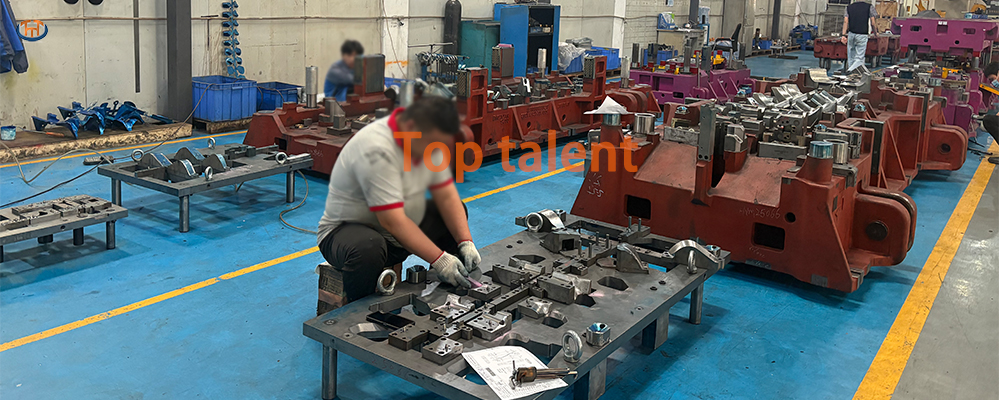
Metal stamping tools assembly is the meticulous process of fitting together the various components of a stamping die. A stamping die is a specialized tool that cuts, shapes, or forms sheet metal into a desired configuration. Unlike generic machining, tool assembly requires a symbiotic relationship between precision components, including punches, dies, strippers, pilots, and guide pins.
The assembly process begins long before the first bolt is tightened. It starts with a thorough inspection of all machined components. In modern manufacturing, Computer Numerical Control (CNC) grinding and wire Electrical Discharge Machining (EDM) are used to create die sections with mirror-like finishes. The assembler—often a skilled tool and die maker—must ensure that each component is free of burrs and meets the exact specifications outlined in the design data.
The Assembly Process: More Than Just Bolting Parts Together
Successful metal stamping tool assembly follows a strict sequence to ensure structural integrity and operational safety.
Base Plate Mounting: The assembly begins with the bottom shoe (die holder) and the top shoe (punch holder). These heavy steel plates serve as the foundation. Guide posts and bushings are installed first to guarantee perfect vertical alignment between the two halves.
Die Section Installation: The die sections (the female part of the tool) are keyed and bolted to the bottom shoe. These sections are carefully aligned using “gage pins” to ensure that the cutting edges are positioned to within thousandths of an inch.
Punch and Stripper Alignment: The punch sections are mounted to the top shoe, but a critical component—the stripper plate—is installed first. The stripper holds the metal down during the stamping stroke and helps peel the material off the punches during retraction. Proper spring tension and screw torque in this phase prevent catastrophic tool failure.
Shut Height and Clearance: Once assembled, the tool is set to a specific “shut height.” The assembler verifies the clearance between the punch and die. Too much clearance causes excessive burr formation; too little leads to premature wear or punch breakage.
A poorly assembled tool results in:
Downtime: Unplanned stops on a progressive stamping press cost thousands of dollars per hour.
Scrap Rates: Misaligned tools generate defective parts, wasting raw material.
Tool Life: Proper assembly extends the lifespan of expensive carbide and tool steel components.
In the context of Industry 4.0, modern tool assembly is also integrating sensor technology. Smart tools now feature “die protection” sensors assembled into the tool body that monitor strip position and part ejection in real-time.
Conclusion
Metal stamping tools assembly is a discipline that bridges old-world craftsmanship with new-world precision engineering. It is the final, non-negotiable step that determines whether a stamping press runs at 98% efficiency or suffers constant failure.
Post time: Mar-20-2026

.png)
.png)